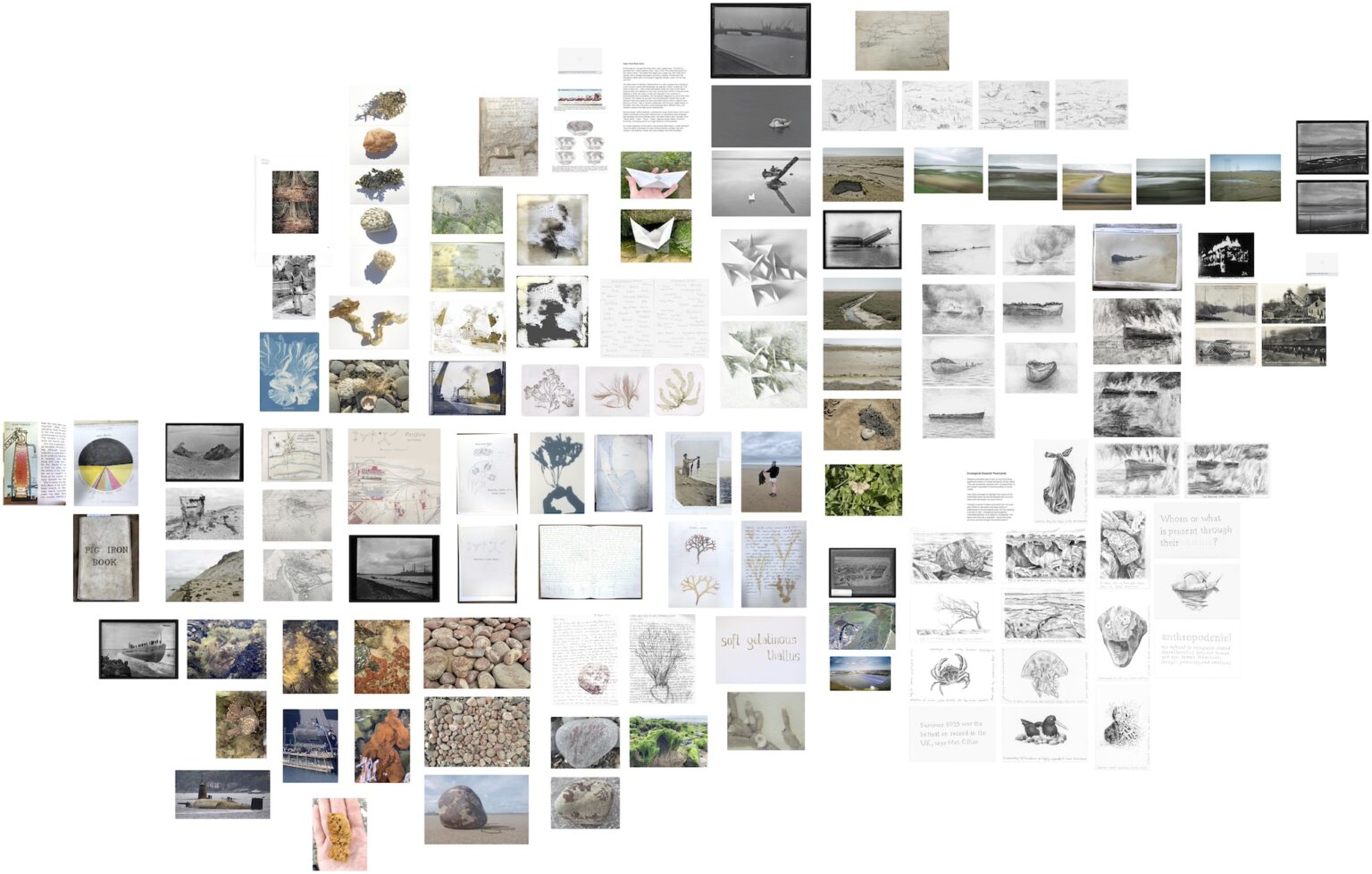
Notes from a presentation at Signal Film and Media – January 2026
In April 2025 I began working on an experimental project with the archives, with funding from the Arts Council. More frequently, I was finding my art practice with Morecambe Bay looking towards the archive to understand more about the history and consequences of relationships between humans and non-humans.
What is the use of historic archives of people and places in the context of a practice that responds to the magnitude of climate change and biodiversity loss through locally based enquiry? I wondered – Could working with archives be an experimental art practice bringing knowledge from Morecambe Bay to bear on the institution? In retrospect, the process has been a more tangled, complicated exchange of knowledges and practices. Not a straightforward journey from A to B – I’m still trying to untangle it – Maybe the best approach is to allow the research to get tangled up even more, because sometimes thats where the interesting stories begin to emerge. I wanted to follow the practice, to allow it to unfold, to capture ideas as they emerged, and be open to new ways of thinking and doing.
There is quite a broad history of artists working with archives – it’s hard not to feel daunted by that. I focused my initial research on photography and ecology…. I found a really useful text called Activating Archives: Photography, Ecology and Historical Change in the Anthropocene – It helped me to figure out how I’d like to approach the project.
Whilst I don’t consider myself to be a photographer, I do use photography in my practice. I’m interested in the blurry lines between photography as documentary and as artistic medium and photographs as unreliable witnesses.
These were my starting points:
– How can an archive can gain new meaning and presence through the process of being re-performed – what can it mean to re-perform an archive? We can revisit the locations of photos, re-make/re-imagine them, but what if we also move beyond the photo, around its edges, what if we bring our own histories, perspectives, memories, experiences, biases – our own bodies, materials, methods, our own ideas and imaginations…..
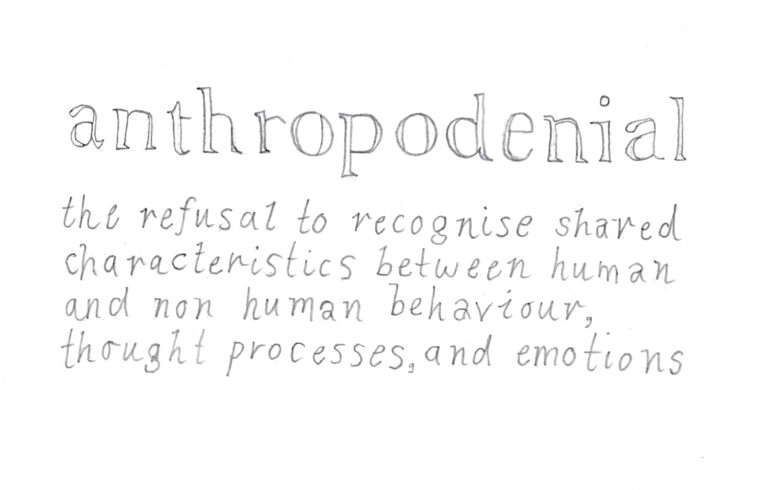
– To search for non-human voices / presences in the archive. To understand our attitudes and interactions with the more-than-human whom are active participants in everything we do.
– To engage a process of slow research and practice.
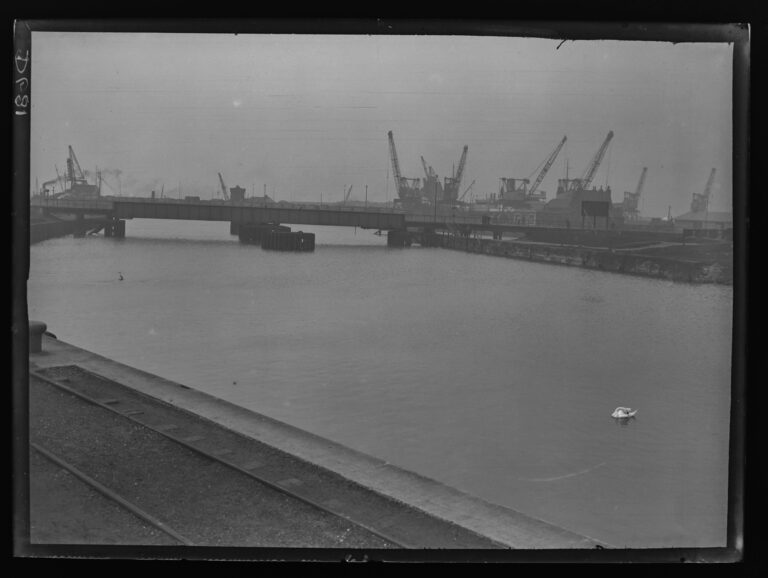
We’re going to move onto the next slide which is a photograph from the Sankey archive. I’d like to capture your immediate responses to it?
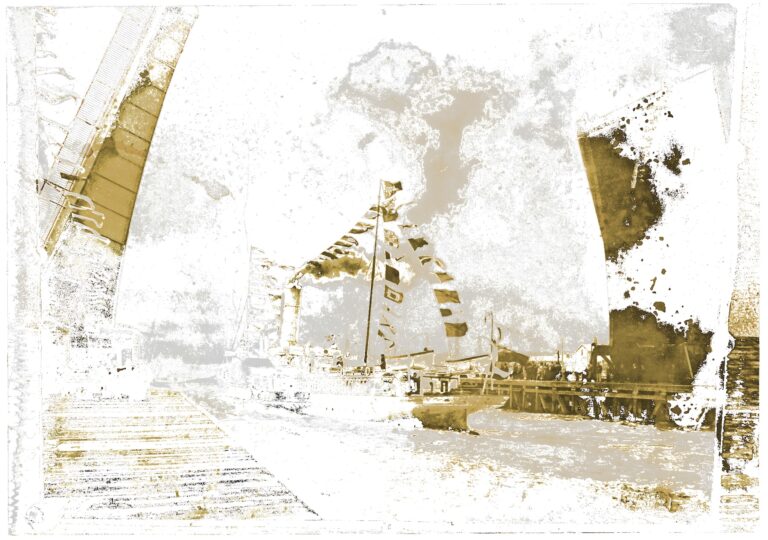
When I first glanced at the photo of the swan in the harbour on my laptop screen, an image of a paper boat flashed through my mind. The white of the swan triggering a childhood memory, the association with the harbour…Also, I’d seen lots of photographs of ships in the archive. I saw them together in an album – as if the time they had been constructed, launched, and sailed had been compressed into those moments of looking at them.
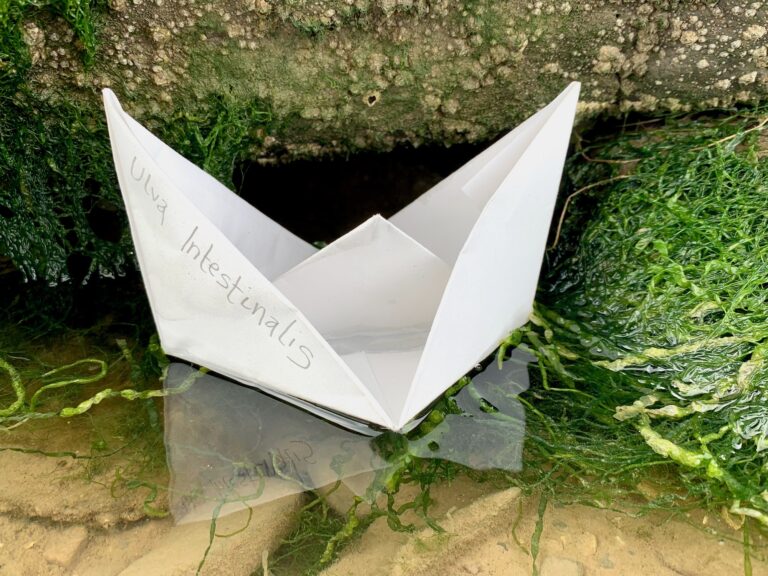
So, I made a lot of paper boats. I was thinking about the labour of it all……
I found some old bent posts in a channel on Morecambe Bay where I could sail a paper boat. They reminded me a little of the harbour structures and cranes in the distance in the photo. Was this making and sailing a type of re-performance, do you think?
Later, I constructed a narrative around the swan’s body language. Their partner in the distance, my memory of making paper boats and aeroplanes with my grandad. All this from one photo….It was a completely subjective response of course, but intriguing, and something new emerging in my practice.
I named one of the paper boats after Ulva Intestinalis – a pioneer species of seaweed that recently inhabited a rocky shoreline on Morecambe Bay where I live.
Seaweed and other marine life has been traveling around on boats since people have been building and travelling around on boats. This is one of the Vanguard nuclear submarines, built in Barrow, returning down the Clyde from an extended tour of duty caked in algae. It is called biofouling, developing safeguards against which cost a lot of money. Much later in the project I’d find seaweed growing on Periwinkles in Walney channel. Life clinging on wherever they can….
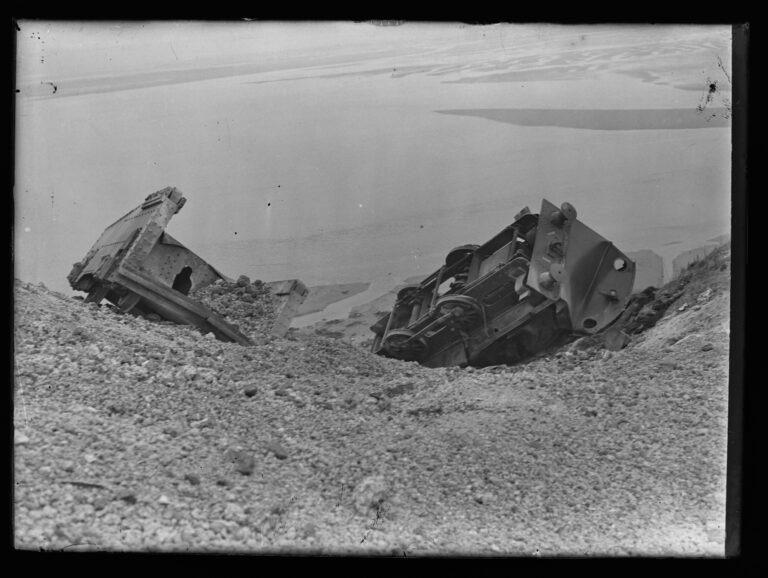
Some of you will be familiar with this shipping disaster from the Sankey Collection. The SS Vedra, carrying benzine, was stranded on Morecambe Bay, off the coast of Walney, in December 1914, and caught fire a day later. Despite every attempt to assist the captain and crew there was only one survivor.
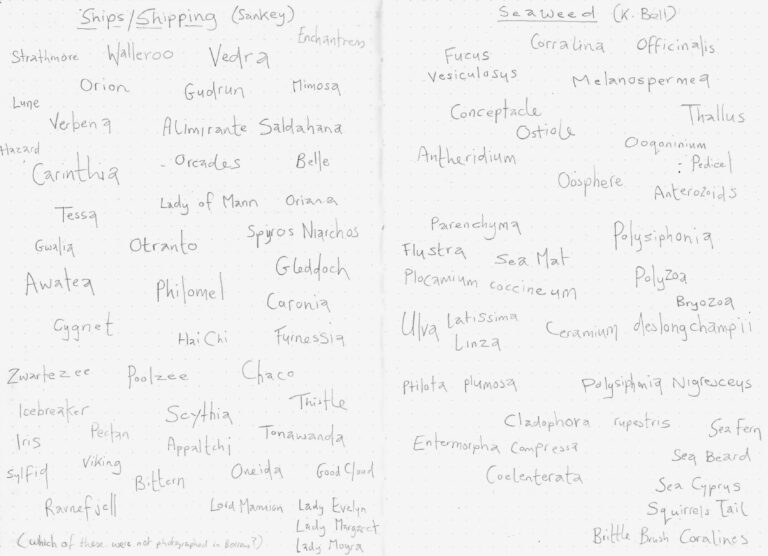
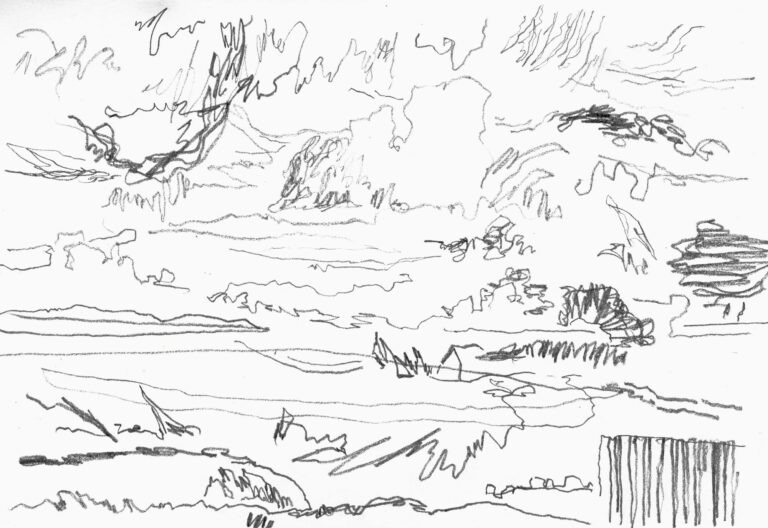
I spent a long time with these haunting photographs in the archive – as part of a slow engagement. They play out like a time-lapse as the ship gradually disappears beneath a very calm looking sea. After leaving the archive I couldn’t stop thinking about it and drew the shipping disaster from memory. As if spending time with the photographs had caused me to believe I could remember something that I hadn’t experienced. Something that had happened outside of my own lifetime…….At that moment in the archive I also met Kathleen Bell who wrote a study of Walney’s sea shore in 1929, an interesting juxtaposition. Two things, two memories on a table in relationship to each other…..
There was something else that niggled me about these photographs – They are postcards. This seemed particularly macabre, until I remembered how social media is used today.
Disaster postcards were quite a big ‘thing’ in the early 1900s. A way of communicating everyday (disasters) events to one another. I found some alarming postcards online – and especially one set of postcards that documented a mining disaster in Wales.
Eventually I completed the sequence. A postcard of a burning ship – the Vedra, my fake memory of it. The act of recalling and drawing convinced me that I did remember. Drawing is such an intense and intimate activity.
I thought about our relationship with disaster and trauma, how we communicate, and how communications get lost or trivialised in the overwhelming quantities of digital content today.
So, I made a series of ecological disaster postcards (still making). Maybe the tiny hand drawn postcards are an understated plea for attention to nature, and the climate crisis in a world full of distractions. A quiet, careful attempt to hear the voices of the overlooked in the natural world of the every-day…..
Let us return to Kathleen Bell who conducted a study of the seashore of Walney Island in1929. It contains samples of seaweed that she collected, and descriptions of the coastline at that time. Amongst other things, meeting Kathleen caused me to refocus my attention on a seaweed colony that had gained a foothold on the other side of Morecambe Bay, where I live, and that I continue to study…. You could say Kathleen changed my life…..
In the victorian era seaweed was considered a safe subject for women to study, less was understood about how seaweed reproduced in those days. The study of seaweed wouldn’t expose women to apparently ‘indecent’ biological concepts. There have been a lot of women ‘in’ seaweed. Later a scientist called Kathleen Drew Baker would become known as Mother of the Sea in Japan after her research into Laver in the 1940’s led to the development of artificial seeding techniques and significant improvements within the Japanese Nori industry.
The area Kathleen studied holds a longer history between seaweed and humans. This map (1910) shows the tangledales where islanders had the right to collect their fair share of Kelp – or tangleweed that was used as fertiliser on fields and to improve the quality of soil.
The map also shows the changing coastline from 1847 to 1910.
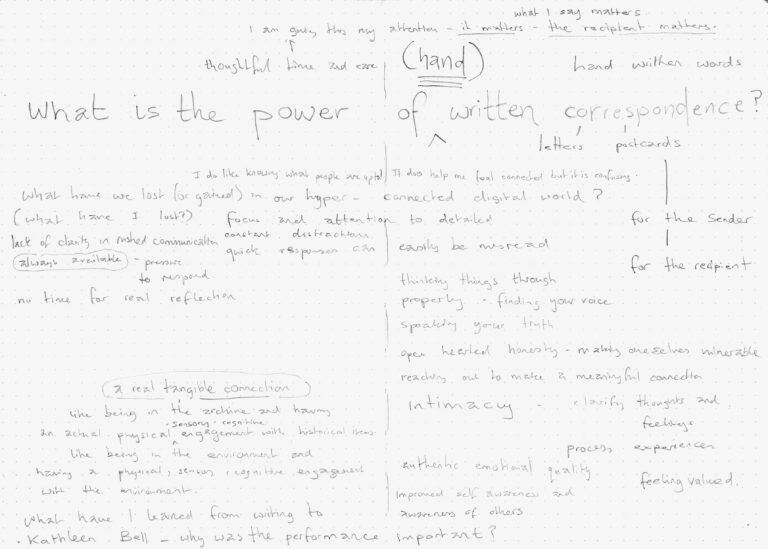
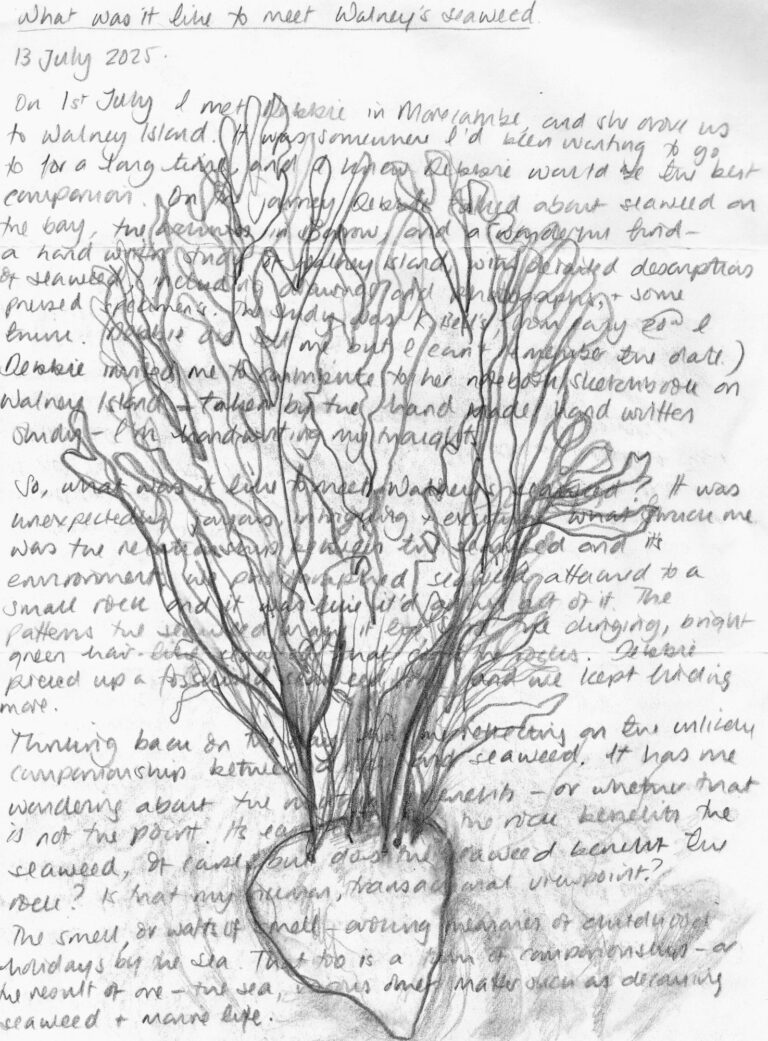
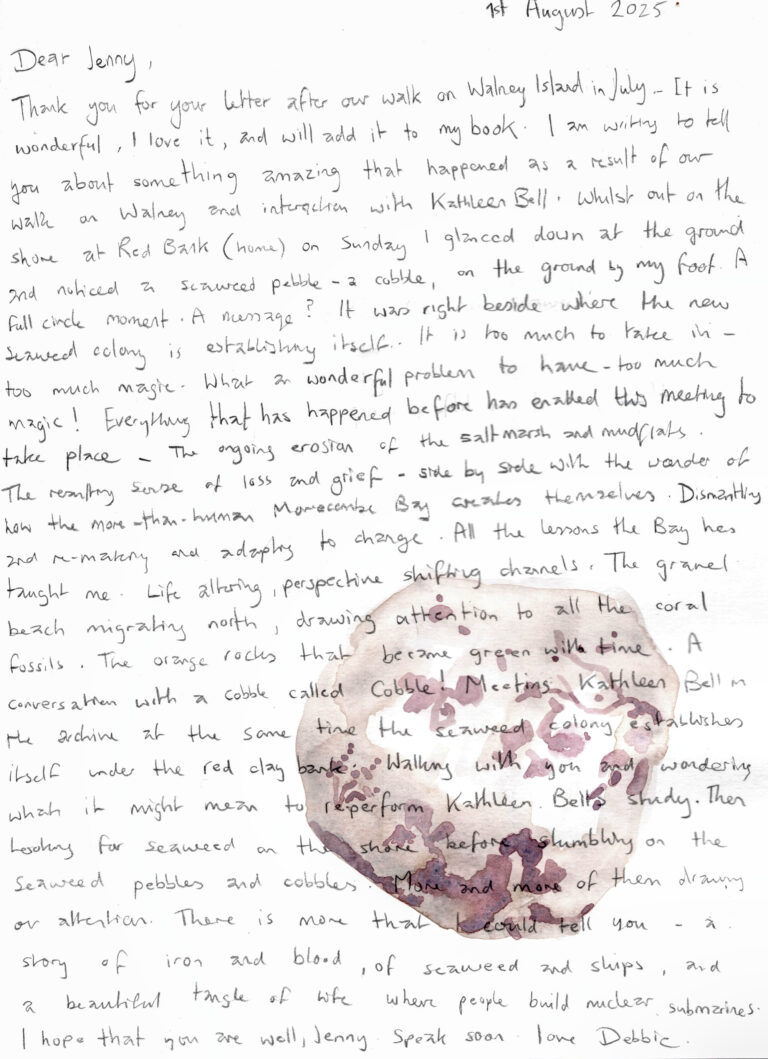
On the left is a page from Kathleen’s study including imprints from her seaweed collection on the opposite page. On the right some correspondence between my friend Jenny Peevers and I after we walked on Walney island in the context of Kathleen Bell’s study. Amy, another artist and friend, also walked with me and gave me this handwritten response to our walk only last week. I wanted to share this experience with other women – a correspondence across time.
Postcards, hand written letters and notes – this is surely an influence of the archive – pre technology ways of making, doing and thinking.
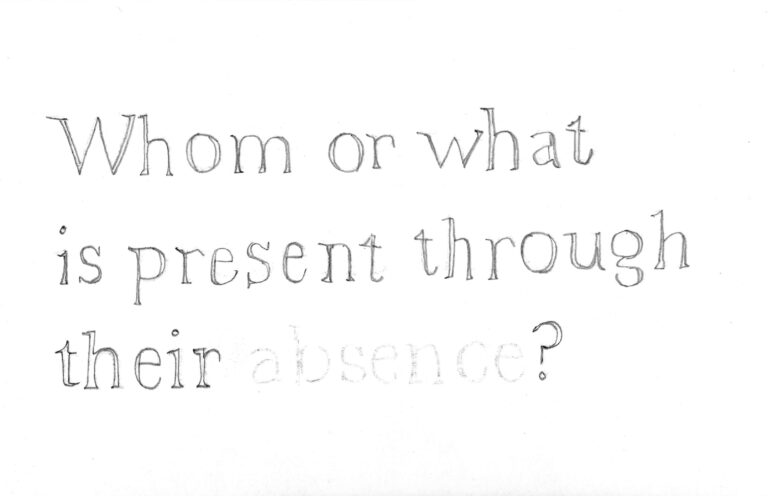
I had been thinking about absences in the archive. What has become absent in our lives since Kathleen Bell hand-wrote her seashore study in 1929? The letters feel like the seeds of a correspondence project between women and the shore – I’d really like to do it, but that goes beyond the scope of this research project.
I also wrote a letter to Kathleen Bell which I read to the sea on Walney last September, and then made into an audio/video experiment. We don’t have sound today, so I will read you the letter…
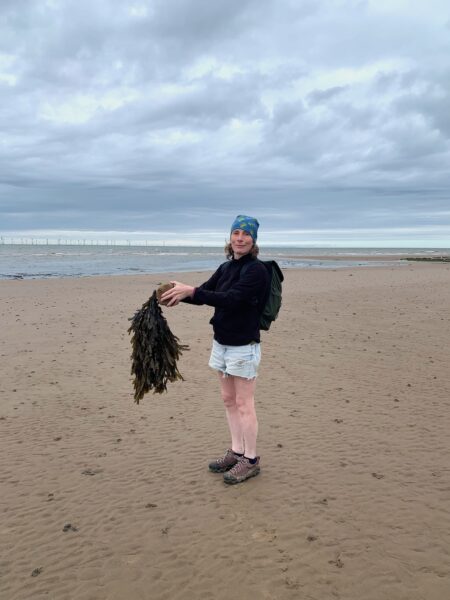
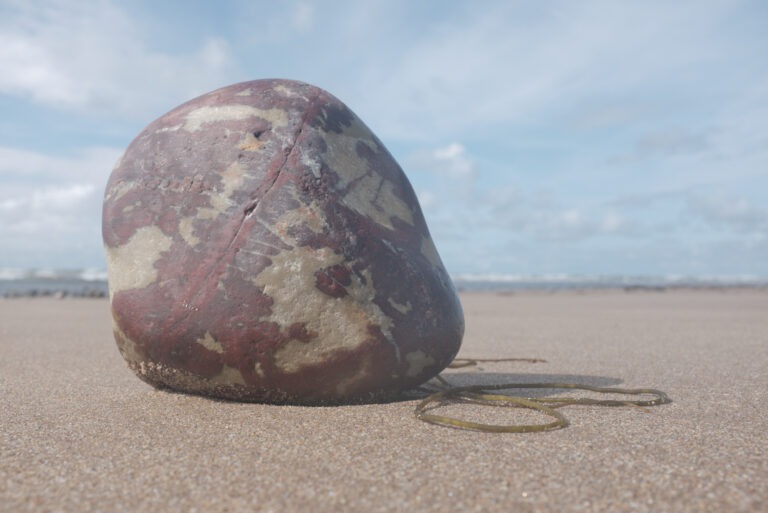
I went back to Walney to search for more seaweed pebbles. I loved the poetry of it. Seaweed in pebbles, seaweed on pebbles. My ideal was to find seaweed growing on a pebble with fossilised seaweed inside it, which I did eventually on the rocky part of Walney shore.
I searched for as many seaweed pebbles I could find and brought them together, just above the high tide mark, to create a seaweed pebble colony. It was still there the next week. I wonder if the movement of feet and the sea have finally redistributed the pebbles? Is it possible we could find a trace of it on our walk? Could we recreate it?
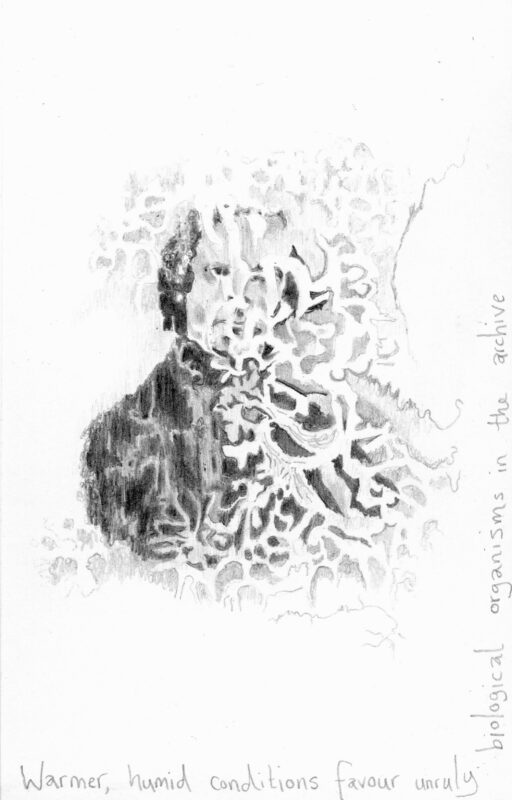
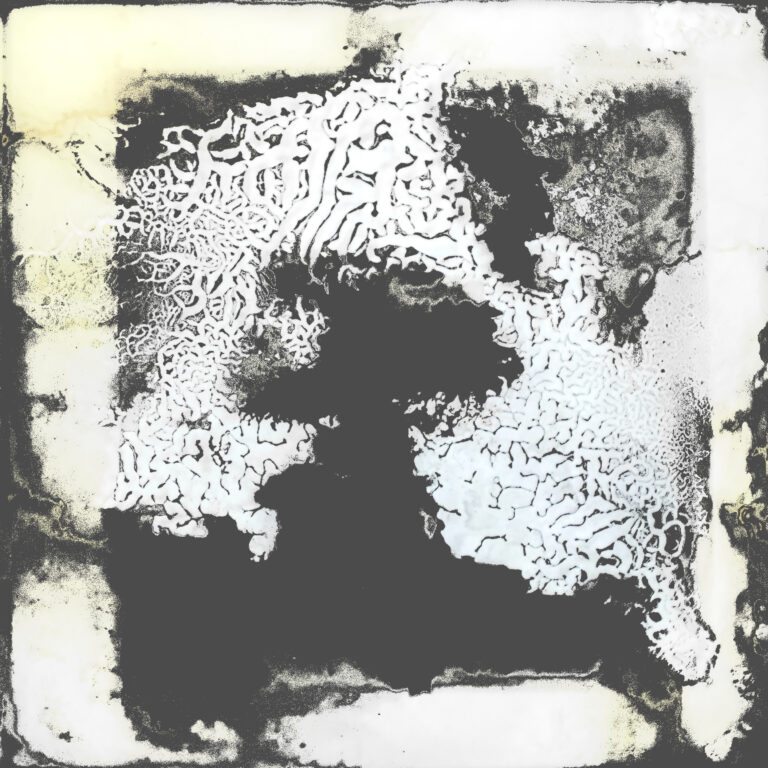
Kathleen Bell also wrote about the sea sponges – magical and colourful. They live in Walney channel along with Coralina and seaweed carrying Periwinkles. The sea sponges live just across from where the Iron works was and within sight of BAE systems. These are biological presences in the archive, munching away on a Sankey photograph of a submarine – more life on life. It is such a fascinating entanglement of life, of pasts and presents, I wonder how we might begin to map them?
Introduce activity on Walney shore..